The scary condition sufferers say ‘traps you in your own half-alive corpse’ — it’s caused by a medication taken by millions
Kelly Barta was turning red.
It was 2012, and the 38-year-old mother of two had just quit the topical steroids she’d used for nearly 30 years to treat her eczema. Within days, she was crimson from head to toe, tormented by searing pain and a “bone-deep” itch.
“It literally felt like someone poured boiling water over my whole body,” Barta told The Post. The burning wouldn’t let up for five years — and in that time, she lost her career, her marriage and nearly her life.
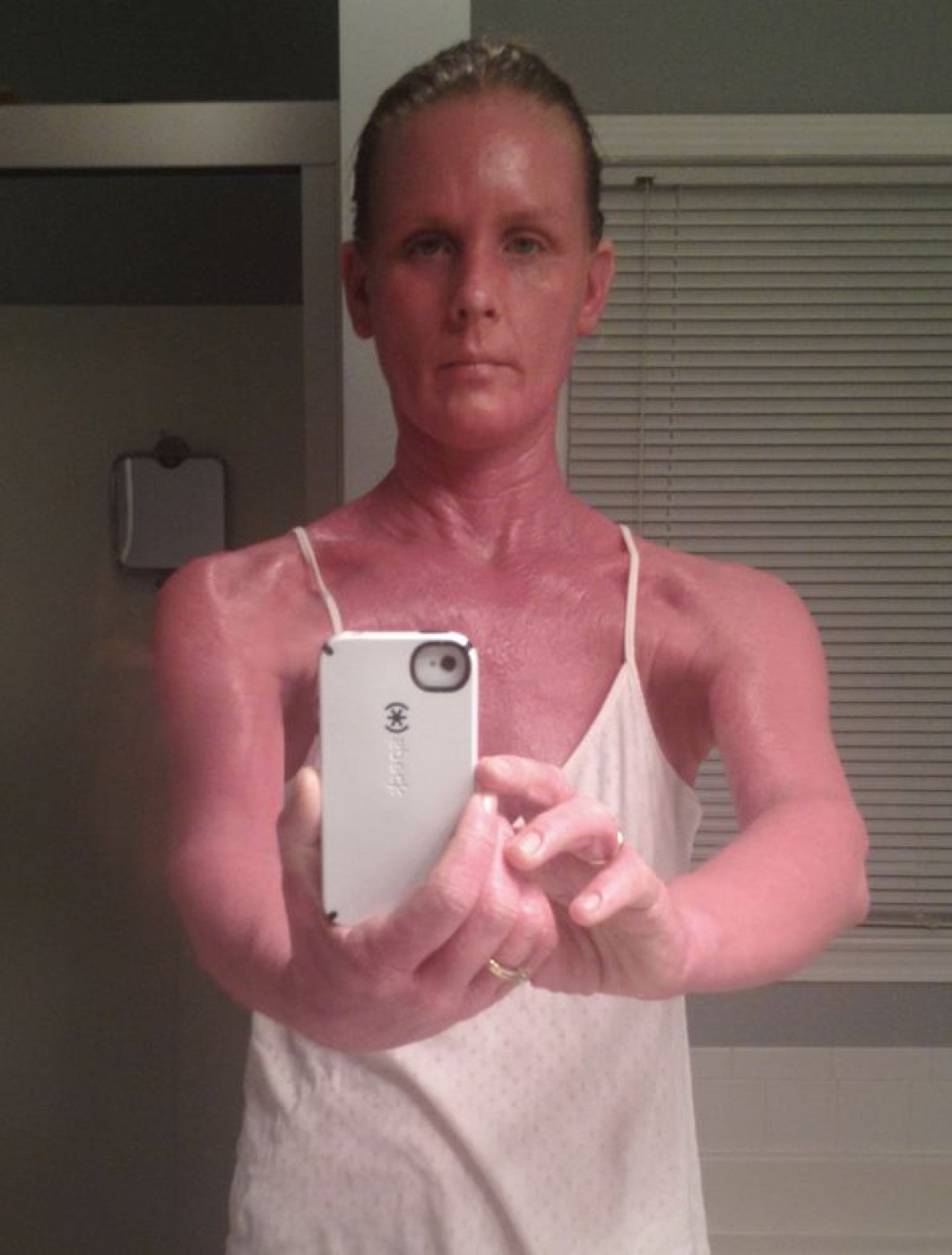
Barta was battling topical steroid withdrawal syndrome, a debilitating condition some face after quitting high-potency creams used in treating skin issues like eczema.
Common symptoms include intense burning, redness, itching and skin shedding. Many sufferers are bedridden or housebound for months — or even years — before the effects begin to subside, according to the International Topical Steroid Awareness Network, which supports those affected.
From childhood rash to decades on steroids
Roughly 10% of the US population — about 31.6 million people — live with some form of eczema, the most common chronic inflammatory skin condition in the country, according to the National Eczema Association.
Barta was first diagnosed as a child, when patches of itchy, red and irritated skin bloomed behind her knees and in the crooks of her arms.
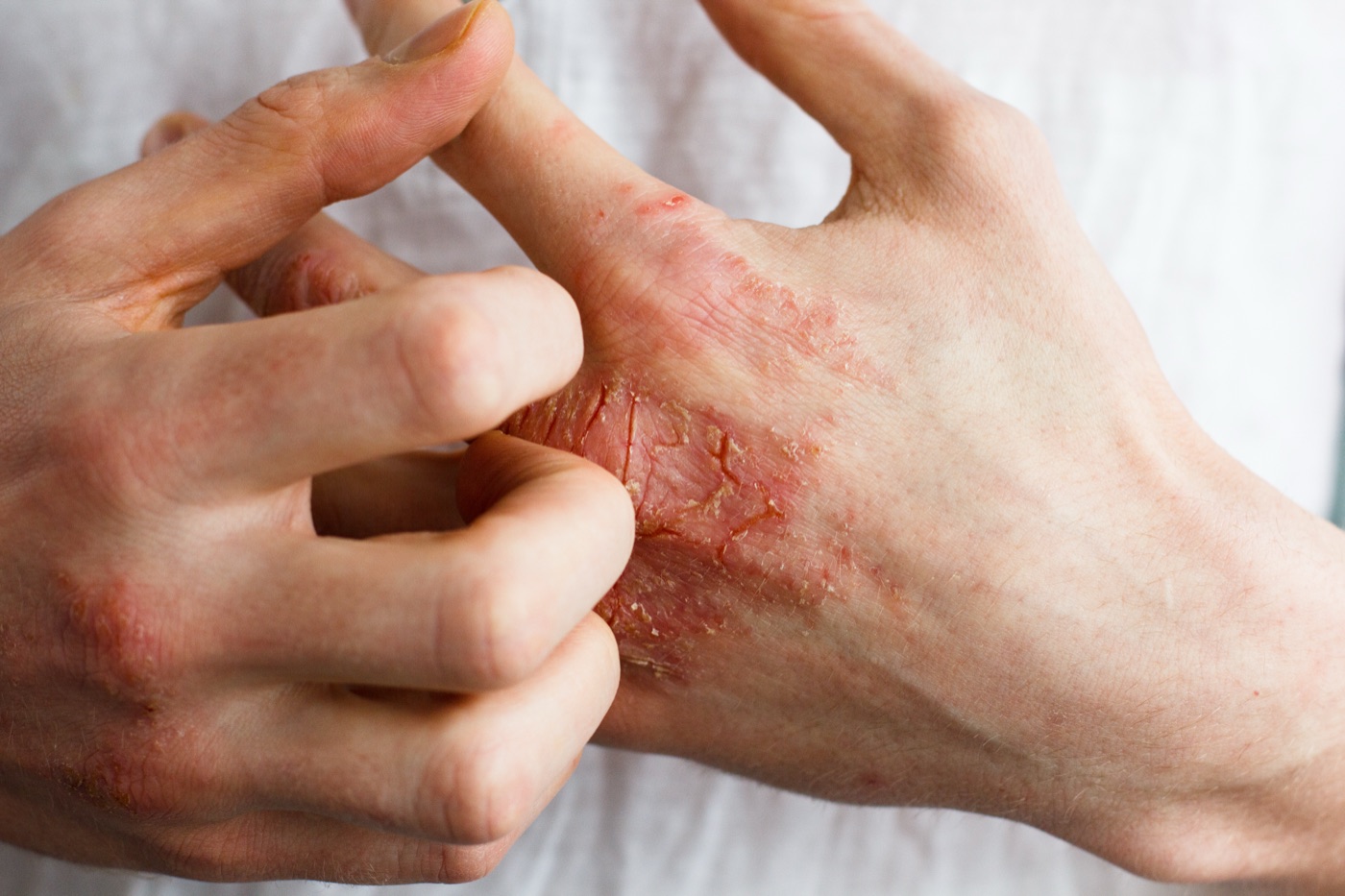
She managed it with moisturizers and hydrocortisone cream until she became a preteen, when the onset of puberty and the hormonal fluctuations that come with it caused her eczema to grow worse, spreading to her hands and her neck.
“There’s a lot of bullying around skin conditions because it’s associated with infectious diseases, so being in middle school, all I wanted was to look better, even more than feel better,” Barta said.
When she went to a dermatologist and they prescribed her topical corticosteroids, the effects were almost instant.
“Within a couple of days, the rash cleared up and I felt a lot better too,” Barta said. “I ended up managing my skin like that for 26 years.”
Thin skin, big trouble
Topical corticosteroids are some of the most common treatments for eczema, with one multinational study finding that 91% of people affected by the condition had used them.
Though generally considered safe and effective when used for short periods, the body can build up a tolerance to topical steroids over time, requiring stronger doses to clear the skin.
When Barta’s eczema would flare, doctors kept upping her prescription until she was on one of the strongest formulas on the market.
She spent 10 years on the heavy-duty cream — and developed new allergies along the way, including to fish and latex.
“I know steroids can thin the skin, and my idea was maybe these things in the environment are getting into my bloodstream and I’m becoming hyperreactive,” Barta said.
“I was getting to the point where I would put my hand in my purse and come out with hives,” she added.
“You’re imprisoned in this body with unrelenting pain. I remember thinking, ‘Don’t try to get to tomorrow — just survive the next hour.’” — Kelly Barta
Barta said her general practitioner dismissed her concerns, insisting she’d have to use topical steroids for the rest of her life to keep her eczema at bay. But a pharmacy tech at Costco flagged the dose.
“She didn’t say anything other than, ‘Be careful you’re not overusing this,’” Barta said. “But what does overusing mean?”
The label warned against using the cream longer than two weeks unless directed by a doctor — which hers always did. “That’s a big caveat,” she said. “Most doctors feel like this is perfectly safe to use forever.”
And Barta wasn’t alone. The same multinational study found adult eczema patients used topical steroids for an average of 15.3 years. Three-quarters applied it one to two times a day, and half used it between 15 and 30 days each month.
Shaken, Barta began researching. She discovered that while corticosteroids are intended to reduce inflammation, they can sometimes provoke a hypersensitivity response, triggering or worsening allergic reactions, according to ITSAN.
“If you have people on steroids for decades … we might look better, but what’s happening internally?” she wondered.
Burning alive
Barta found a Canadian study suggesting barrier creams could cut topical steroid use. So she started weaning off, switching to jojoba oil and mango butter.
Three months later, Barta quit steroids entirely. Within 36 hours, her skin went haywire.
“I started to burn so badly that I couldn’t sleep,” she said. “I was up on the couch all night, breathing like I was in childbirth.”
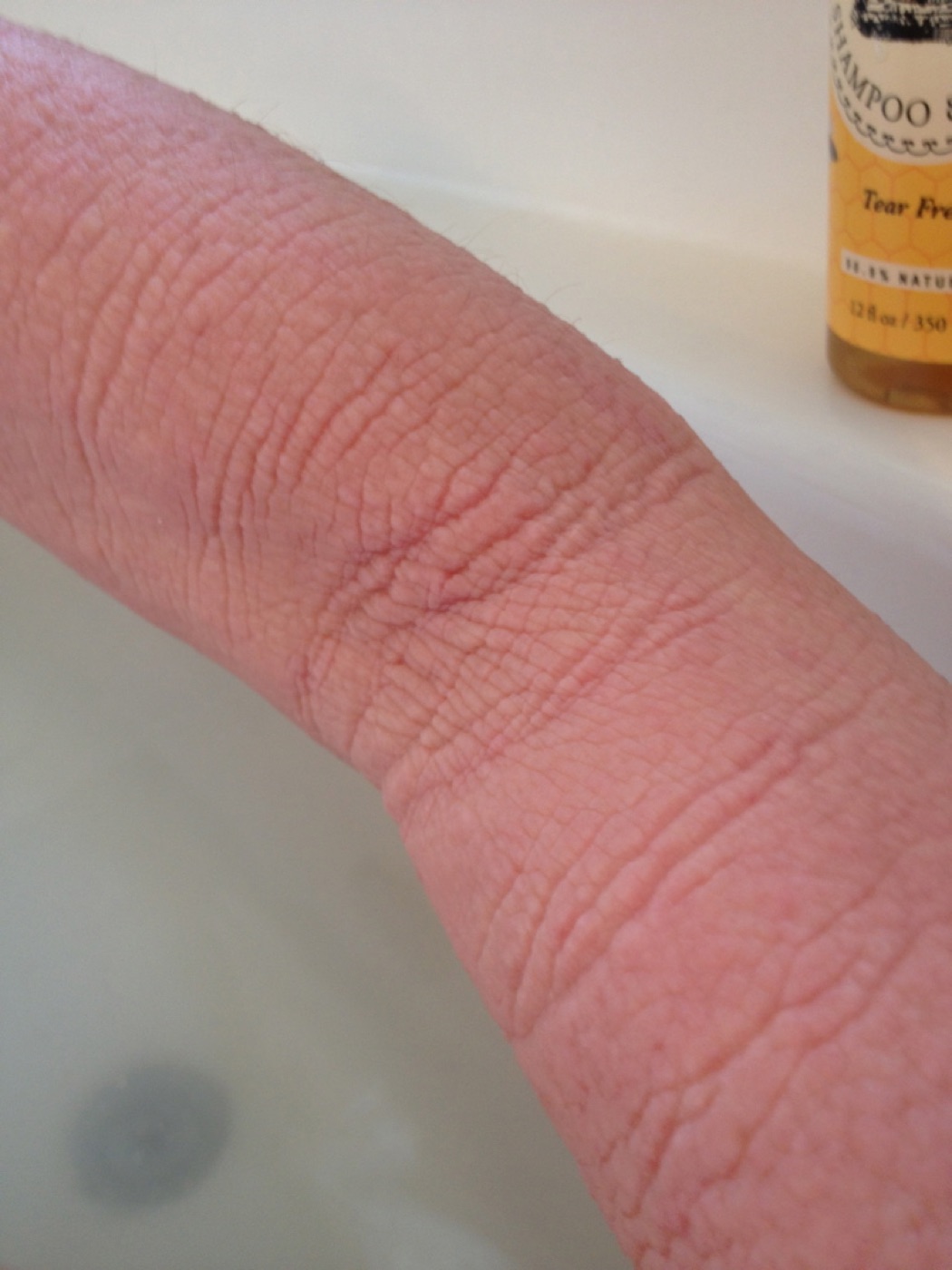
A frantic Google search led her to a topical steroid withdrawal support site — and a list of familiar symptoms. “I checked all the boxes,” Barta said.
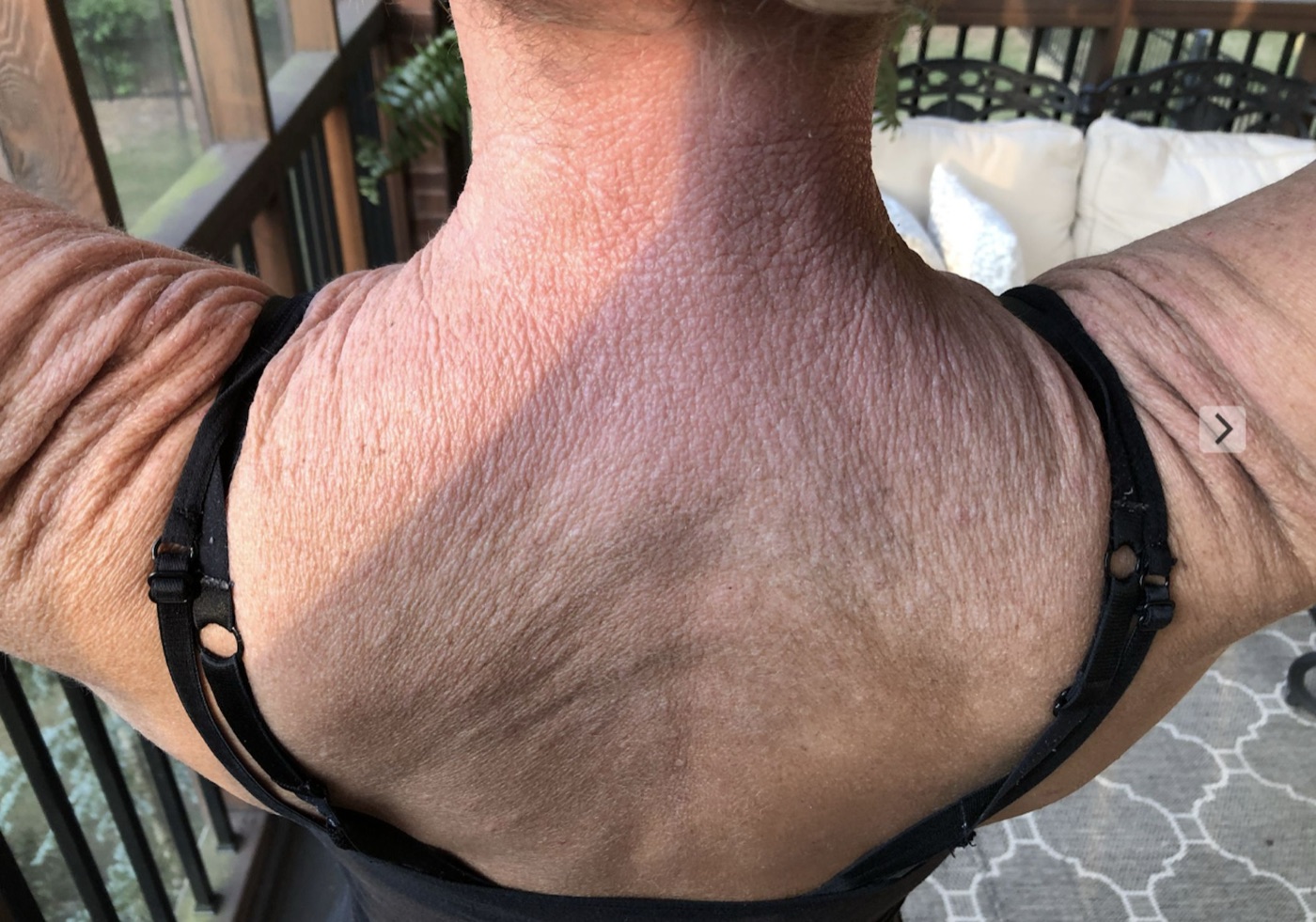
At first, red splotches appeared where she’d applied the cream most. Then the splotches spread. Eventually, her entire body burned and itched relentlessly.
“I was bedridden for a year and a half,” Barta said. During that period, she lost her hair, developed a cataract, gave up her music career and could barely care for her two young sons.
She spent her days cycling between bed and bath, lying naked on towels as every movement tore open her cracked, oozing skin.
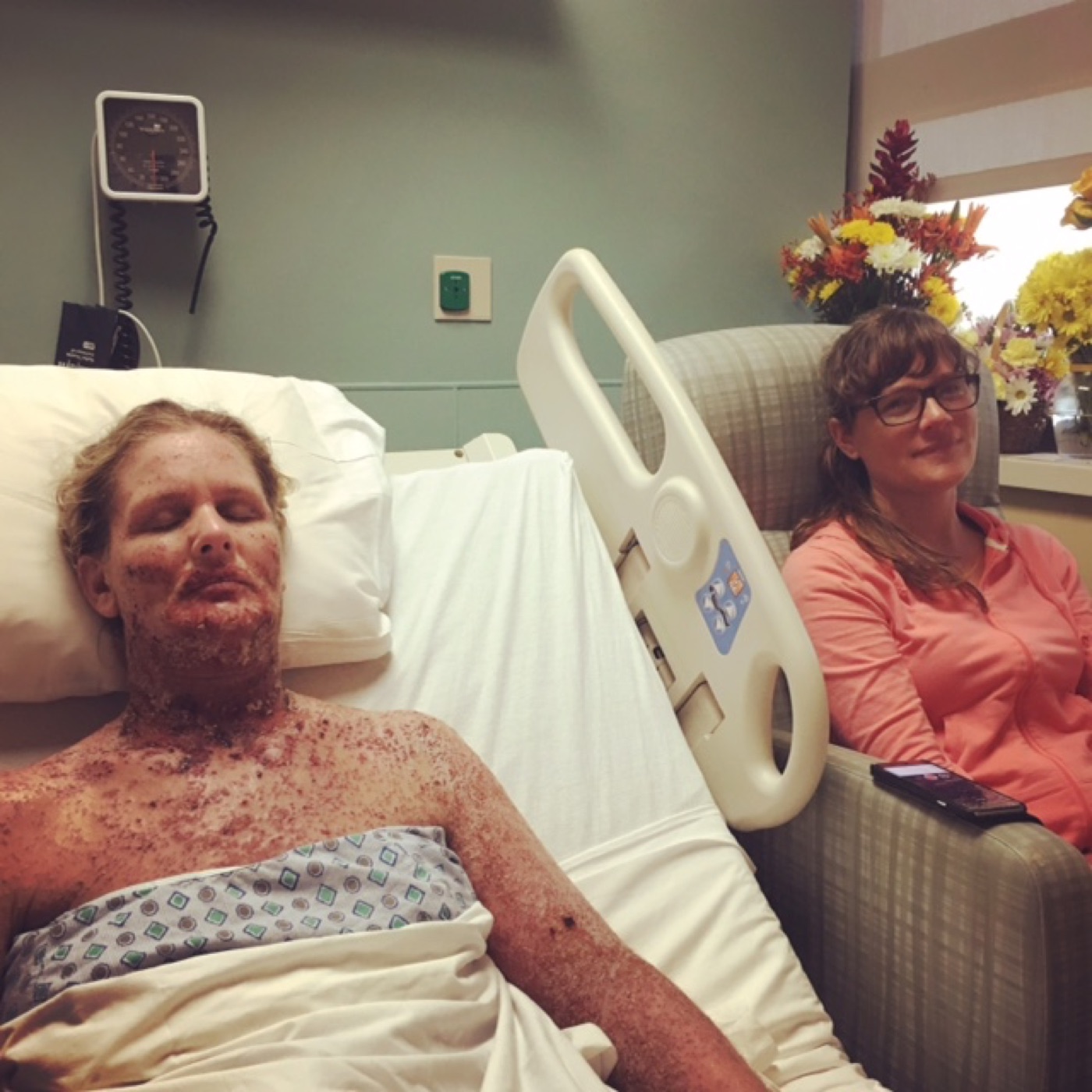
Insomnia hit next, followed by sharp, stabbing nerve sensations and thermal dysregulation that left her shivering under a feather duvet in 90-degree Georgia heat.
“You’re imprisoned in this body with unrelenting pain,” Barta said. “I remember thinking, ‘Don’t try to get to tomorrow — just survive the next hour.’”
She lost 40 pounds. Doctors ran tests and came up empty. One physician searched the internet for information during her appointment.
“No one really knows what’s going on,” Barta said, adding that many TSW patients get dismissed by doctors who mistake their symptoms for severe eczema and just prescribe more topical steroids.
Family members also urged her to go back on the medication, but she refused. “On a gut level, you know that thing has been slowly poisoning you,” she said. “Why would you go back?”
Barta was housebound for three years, losing her husband of 21 years along the way. With her skin barrier weakened, she caught a deadly eczema herpeticum infection and nearly died in the hospital.
Slowly, she grew stronger, and the pain eased as her body began to heal. Still, it took more than 1,780 days for the burning to finally subside — and 13 years later, she’s still recovering.
“How did this happen to me? You think you’re getting help, and then you end up 100 times worse off than you were before.” — Kelly Barta
But you don’t need decades on topical steroids to develop TSW.
False promises
Jada Jones was also diagnosed with eczema as a small child. She had mostly outgrown it by middle school, except for a few patches on her neck. When a dermatologist prescribed a mid-strength topical steroid, her skin cleared up fast.
“I was no longer struggling with eczema at all, or so I thought,” she said. “In reality … you can’t really tell what’s going on.”
Jones used topical steroids on and off until her junior year of high school, when stress triggered a bad flare-up. After learning of TSW online, she told her dermatologist she wanted off the medication.

“My dermatologist said, ‘You’re young. You’re never going to have to go through that,’ and then I got boosted to Class 1 steroids — the strongest ones,” she remembered.
“After being reassured that I wouldn’t have to go through this condition, it was just sort of like, ‘OK, fine, I’ll listen to my doctor.’”
Jones’ skin stayed clear for three years with occasional topical steroid use. She moved from Charlotte, North Carolina, to LA, pursuing acting and content creation, and met her partner, Chris. Then, in June 2022, her skin took a terrifying turn.
“[It] sort of looked like spots that turned into bigger, purplish, reddish bruising,” Jones said. “It looked really, really odd; it didn’t look like eczema.”
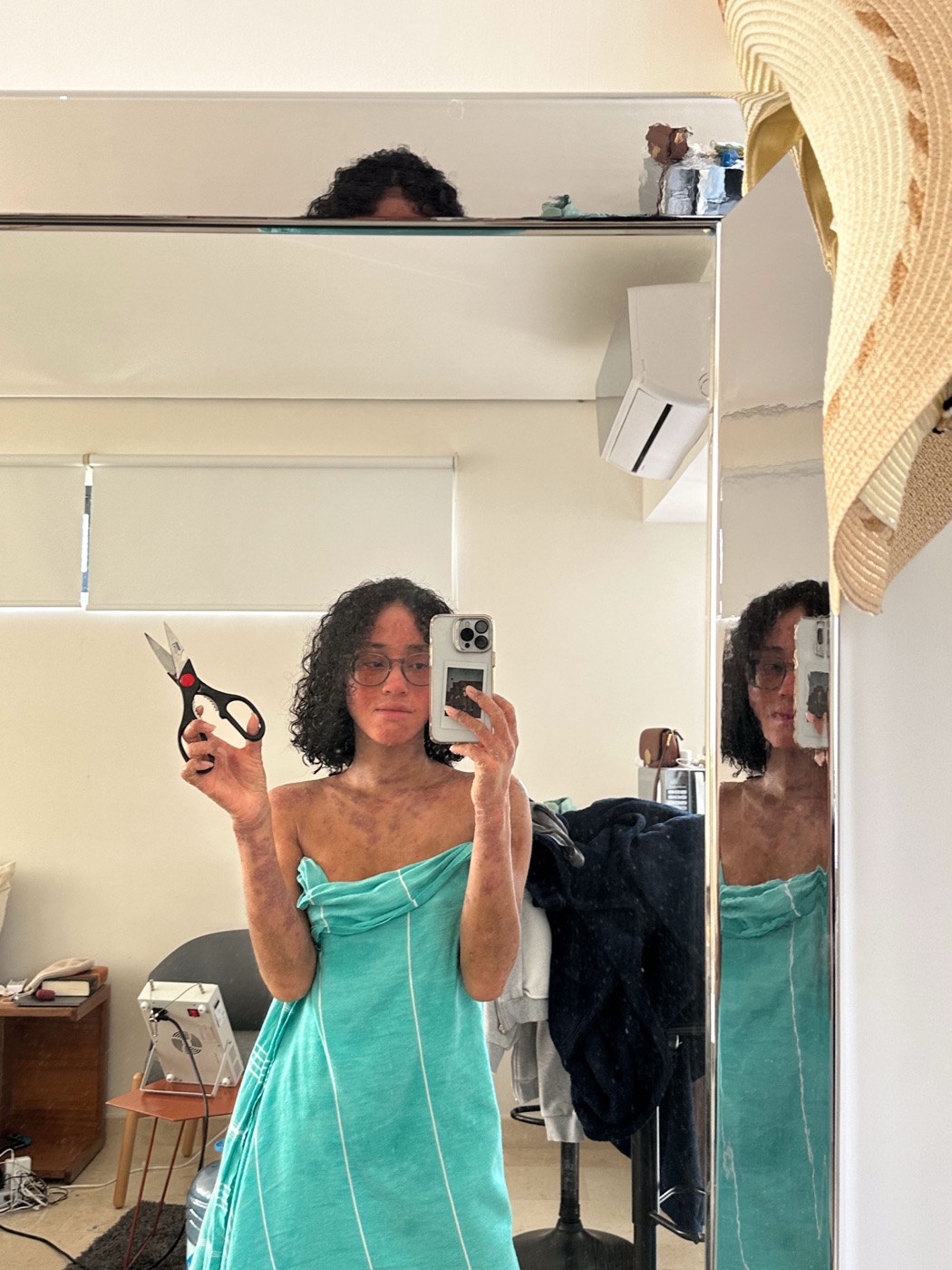
After searching online, she discovered the potent topical steroids she’d been using might be playing a role. Booked for a three-day photo shoot, she made it through the first day, but her skin felt like it was on fire. She stayed home the next morning.
“I was bedridden from that day on for the next three or four months,” Jones said. “It was so crazy to realize that, oh my gosh, I think this is the one thing they said couldn’t happen to me.” “My body was forever changed from that moment forward,” she added.
Six years after her first steroid prescription, she vowed never to use them again. What ensued was pure torture, both mentally and physically.
“They’re looking at you like you’re damn near a burn victim.” — Jada Jones
A nightmare no one could fix
Soon, her whole body was red, inflamed and in excruciating pain. She could no longer work and needed full-time care. “It became sort of this nightmare, because we didn’t know what to do,” Jones said.
She tried traditional Chinese medicine and other comfort measures with no relief. Aside from loved ones, the online TSW community was her lifeline.
Like Barta, she suffered deep, relentless itch, nerve sensations, thermoregulation issues and cracked, oozing skin. At her annual checkup, doctors were baffled.
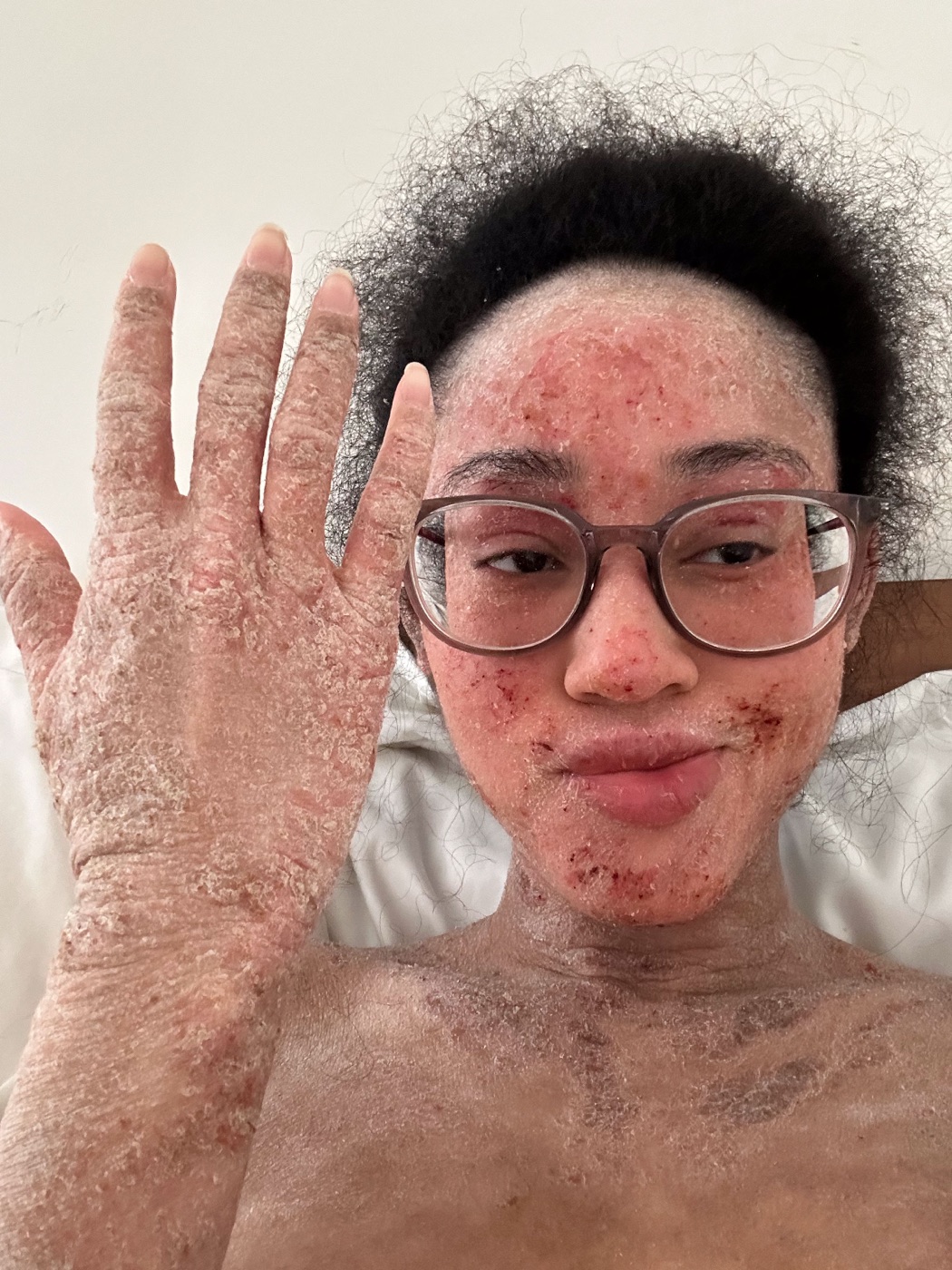
“They’re looking at you like you’re damn near a burn victim,” Jones said. “You have really no idea how to advocate for yourself, but you’re clearly sick and need help.”
Her battle with TSW forced Jones and her partner to leave California and return home to North Carolina. For a year, symptoms settled, then flared in cycles.
“No one will ever truly grasp the horrifying, never-ending ordeal that is enduring a condition that traps you in your own half-alive corpse with no escape.” — Jada Jones
In late 2023, she heard a fellow sufferer found relief in Tulum’s healing saltwater. She and her partner went to Mexico, where her skin improved, then regressed. She, too, got a major infection that left her bedridden for a month.
“At that point, I was really, really confused. I didn’t know what to do,” Jones said. “I did not want to live anymore because it was just too much, especially after seeing that my body was getting better at one point.”
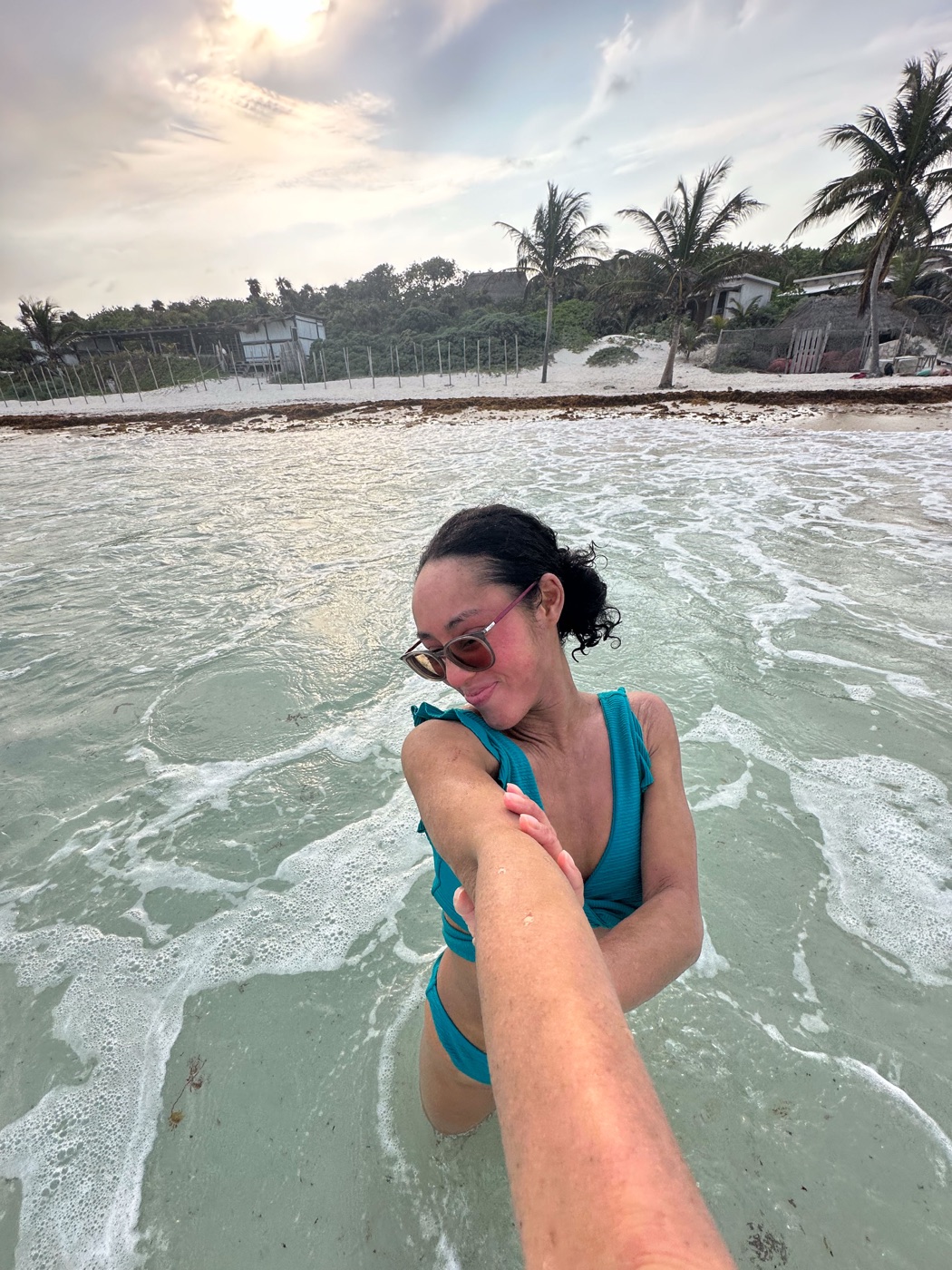
Doctors said topical steroids were the only option. Instead, she took to the sea. “I started forcing myself into the ocean, something that could have been so dangerous, but it ended up working out for me,” she said.
After 4½ months in Tulum, she returned to Charlotte, her skin better but not fully healed.
Still fighting, but living again
She then traveled to Thailand for cold atmospheric plasma therapy, known as CAP, which has been shown to reduce inflammation, fight infection and accelerate recovery for those with TSW.
“This clinic doesn’t have a website or anything, so it sounds like rinky-dink, scary and weird,” Jones said, “but when you’re at this dire point in your life, you’re willing to do anything.”
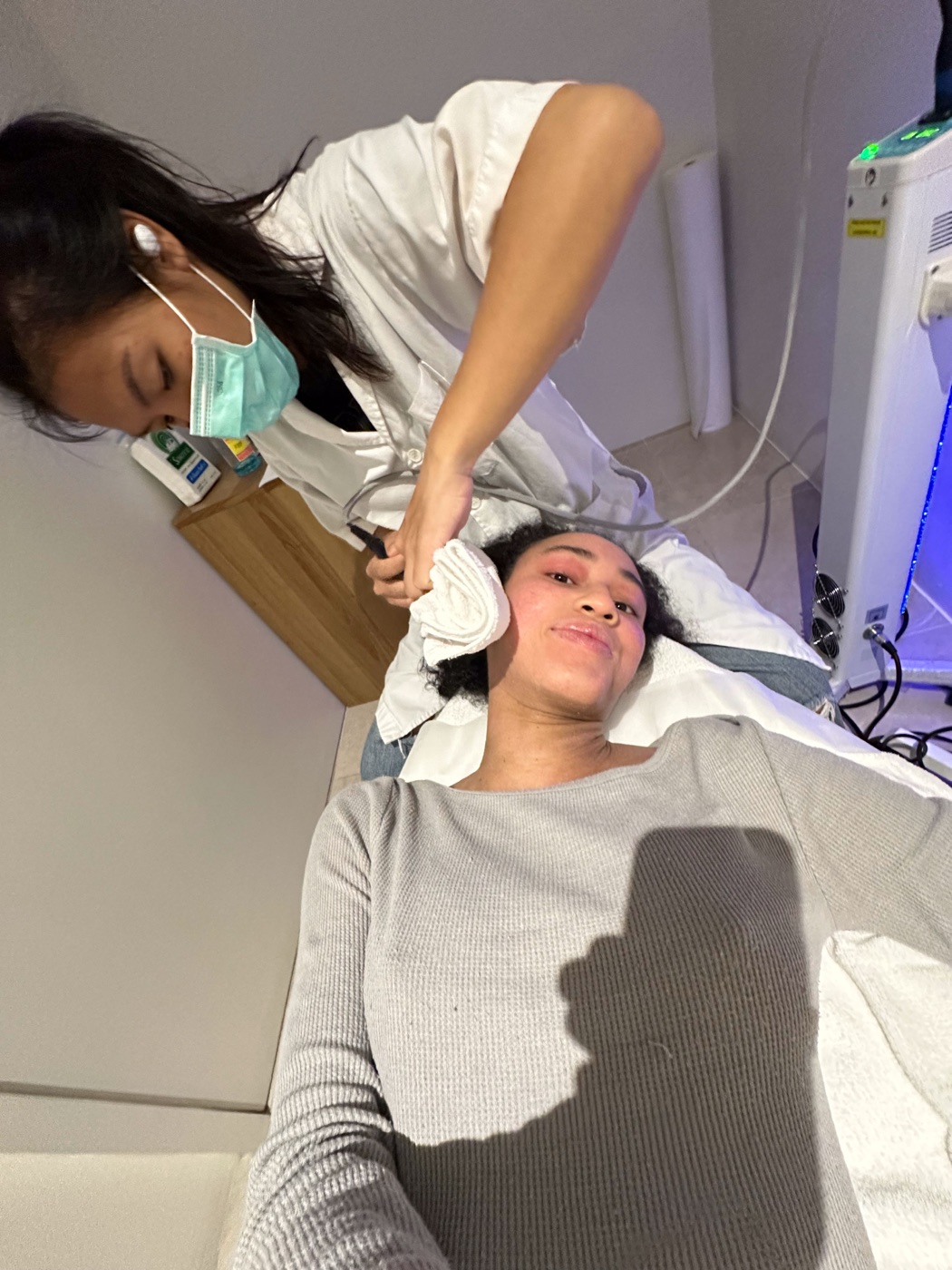
“It’s beyond skin deep — it affects every aspect of your professional life, your social life, your personal life,” she added of her condition. Jones spent nine months in Thailand. “It was really, really intense, but it helped regenerate my skin and sped up the healing process a bit,” she said.
Jones hasn’t had CAP therapy since January, now managing her skin with red light and infrared therapy daily.
“My skin right now is like very mild eczema symptoms that I would rather tolerate for the rest of my life than to ever go through that again,” Jones said. Now 23, Jones’ energy has finally rebounded, and she’s living a fuller life.
Life beyond steroids
While TSW is a well-documented phenomenon, research into its causes, effects and treatment is still limited. Without consistent diagnostic criteria, doctors often mistake TSW for a severe eczema rebound, according to ITSAN.

While topical steroids can be safe when used correctly, companies like Phoilex offer alternatives to help people manage their skin. Their Active ReLeaf Spot Gel is a plant-based option for managing eczema and psoriasis.
In trials, 93% of users felt relief from itching for four to 12 hours, and 74% saw fewer flare-ups.
“It’s a great alternative for someone who’s going through eczema,” Jones said. “I’ve had friends who’ve tried it and they love it for maintaining their skin.”
As Featured In







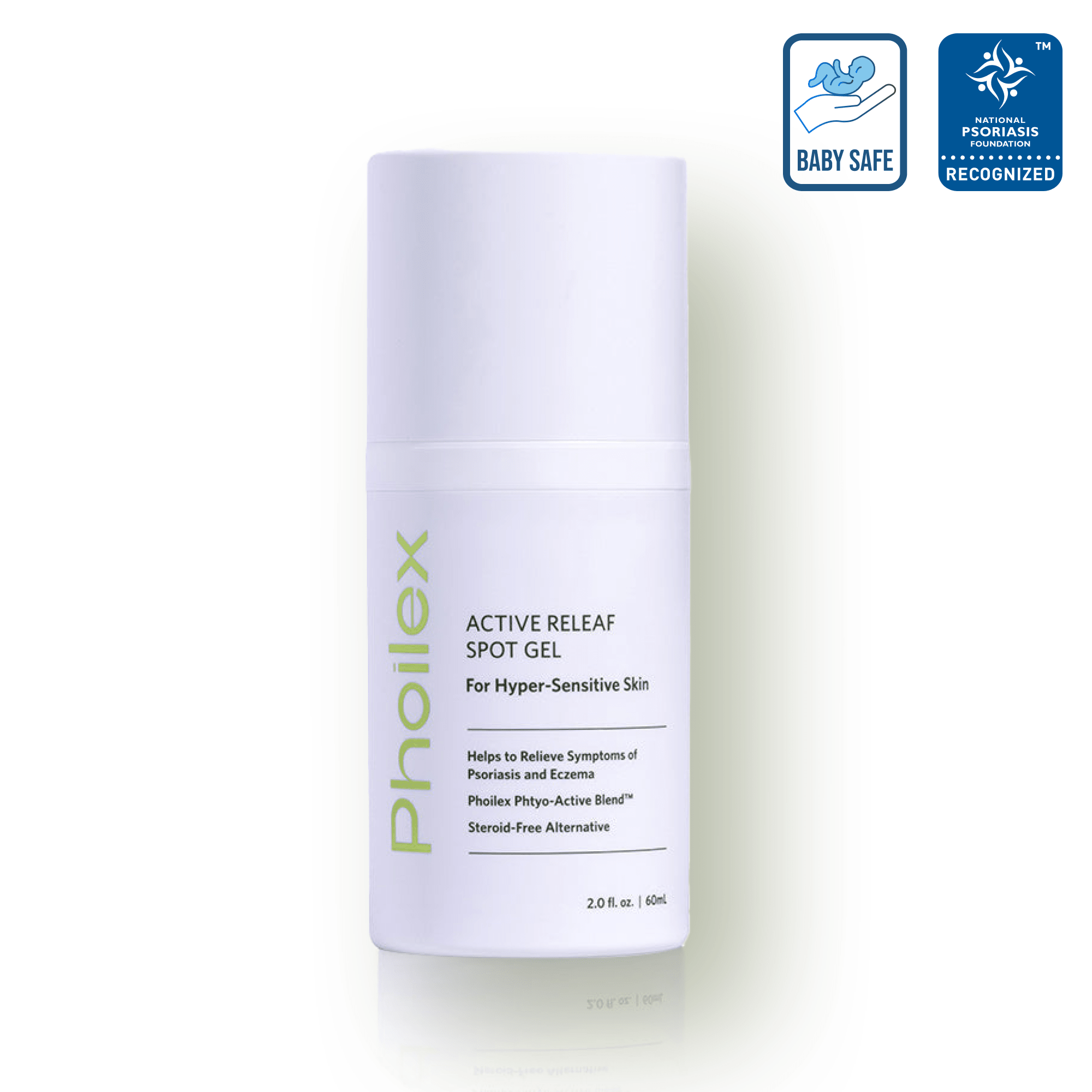
Phoilex Active ReLeaf Spot Gel
The plant-based, steroid-free gel from the story above. It quiets the itch and redness of a flare and helps rebuild the dry, worn-out skin underneath it — with no cortisone, and nothing to wean off of.
In the brand’s own user trials:
- Calms without cortisone. Topical vitamin D takes a non-steroid route to soothe an angry flare, so there’s no cortisol crash to trigger the next one.
- Puts back what dry skin runs short on. A triple-ceramide and oat complex replaces the fats compromised skin can’t make enough of, so it holds moisture instead of cracking.
- Keep everything you’re doing, remove one thing. It works alongside your routine as the steroid-free option to reach for at the first sign of a flare.
- Gentle enough for the whole family. Baby-safe and made for hyper-sensitive skin.
1 Tube
3 Tubes
2 Tubes
🔒 90-day money-back guarantee · Ships free on orders $75+ · Cancel anytime

Try it for 90 days, risk-free
Use it through a full flare cycle. If your skin isn’t calmer and more comfortable, email the team for a full refund — no return, no runaround.
“I’ve been terrified of my steroid cream for years. This is the first thing I can actually reach for at 3am without that guilt. The itch calms down enough that I can finally sleep.”
“Bought it for my son’s eczema after his flares kept coming back. Two weeks in and the patches behind his knees are the calmest they’ve been in a year. No stinging when it goes on.”